A Comprehensive Guide to Adenoidid: Understanding Tonsils and Adenoids
Adenoidid is a medical condition that primarily affects the adenoids, small lumps of lymphoid tissue located behind the nasal cavity. While many people are aware of tonsils due to their visibility in the throat, adenoids often remain an overlooked part of the immune system. These tissues play a crucial role in fighting infections, especially in children. Adenoidid occurs when the adenoids become enlarged or inflamed, leading to a host of symptoms that can disrupt daily life. Understanding adenoidid, its causes, symptoms, and treatments, as well as the relationship between tonsils and adenoids, is essential for maintaining overall respiratory and immune health.
Anatomy of Tonsils and Adenoids
Location and Structure of Tonsils
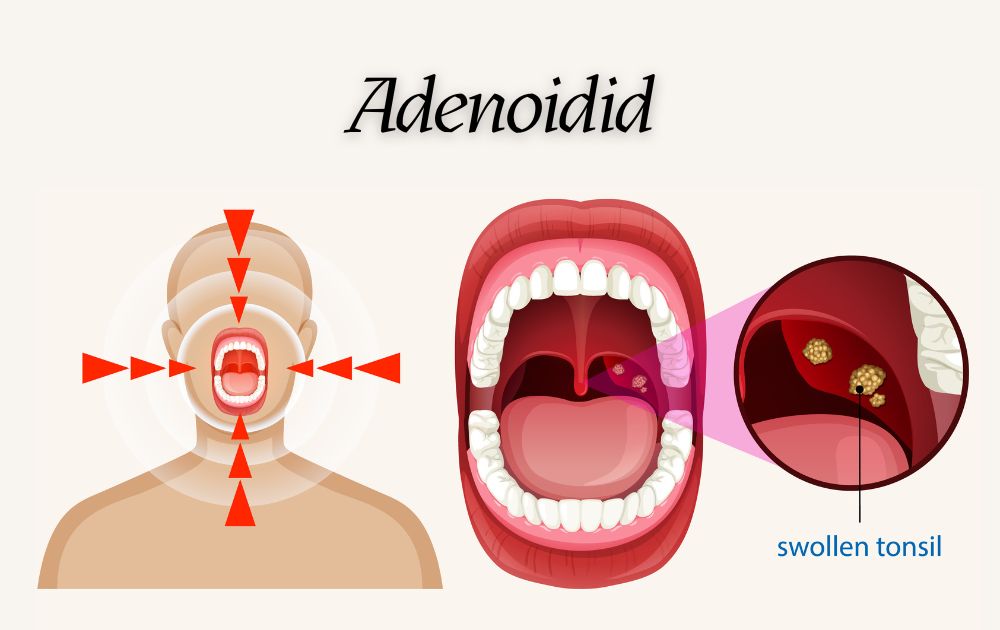
Tonsils are two oval-shaped masses of lymphoid tissue located on either side of the back of the throat. These small, sponge-like structures serve as the first line of defense against pathogens entering through the mouth. Tonsils contain immune cells that detect bacteria and viruses and trigger the production of antibodies. Although they are prone to infection, tonsils play a vital role in preventing harmful microorganisms from spreading further into the body.
Location and Structure of Adenoids
Adenoids, unlike tonsils, are not visible without specialized instruments. They are positioned high in the throat, behind the nose and the roof of the mouth, and are part of the body’s lymphatic system. Like tonsils, adenoids contain immune cells that fight infections, especially during childhood. They gradually shrink as a person reaches adolescence, which is why adenoid-related problems are more common in children than adults.
How They Function in the Immune System
Tonsils and adenoids are part of the body’s Waldeyer’s ring, a circle of lymphoid tissue that surrounds the throat and nasal passages. Together, they trap and destroy bacteria and viruses that enter through the airways. By producing antibodies and activating immune cells, these tissues help the body develop immunity against common infections. However, when adenoids become chronically inflamed, they can interfere with breathing and contribute to recurrent infections, making timely treatment essential.
Causes of Adenoidid
Bacterial Infections: Bacterial infections, particularly those caused by Streptococcus species, are a leading cause of adenoidid. These infections lead to swelling and discomfort, and if untreated, can cause complications such as chronic sinusitis or ear infections.
Viral Infections: Viruses like the common cold, flu, or Epstein-Barr virus can also inflame the adenoids. Viral infections are particularly problematic in children, whose immune systems are still developing. Repeated viral infections can cause the adenoids to remain enlarged for extended periods.
Allergies and Environmental Factors: Exposure to allergens such as pollen, dust mites, or cigarette smoke can irritate adenoids and worsen inflammation. Environmental triggers often make symptoms more persistent and may lead to chronic adenoidid if not properly managed.
Common Symptoms of Adenoidid
Adenoidid, the inflammation or enlargement of the adenoids, can manifest in several noticeable ways, especially in children. One of the most common symptoms is difficulty breathing through the nose. When adenoids become swollen, they can block the nasal passages, forcing children to breathe through their mouths. This can lead to a dry mouth, bad breath, and sometimes even dental issues due to chronic mouth breathing.
Difficulty Breathing Through the Nose
One of the most noticeable symptoms of adenoidid is nasal obstruction. Individuals, especially children, may breathe through their mouths due to blocked nasal passages, which can lead to dry mouth, bad breath, and other oral health problems.
Snoring and Sleep Apnea
Enlarged adenoids can partially block the airway, causing loud snoring and, in some cases, sleep apnea. Interrupted sleep may result in daytime fatigue, irritability, and attention difficulties in children.
Frequent Ear Infections
Adenoid swelling can obstruct the Eustachian tubes, leading to fluid buildup in the middle ear and recurrent ear infections. Persistent ear problems may even affect hearing if left untreated.
Chronic Sore Throat
Inflamed adenoids can cause or exacerbate tonsillitis, resulting in a sore throat, difficulty swallowing, and discomfort that persists over time.
Diagnosis of Adenoidid
Physical Examination
Doctors typically start with a physical examination, observing the throat and listening to breathing patterns. In some cases, an enlarged adenoid may be suspected based on visual cues from the mouth and nasal passages.
Nasal Endoscopy
A nasal endoscope is a thin, flexible tube with a camera that allows doctors to view the adenoids directly. This tool helps in assessing the size, inflammation level, and presence of infection.
Imaging Tests (X-rays, CT scans)
Imaging techniques provide a more detailed view of the adenoids and surrounding structures. These tests help determine whether the adenoids are causing significant airway obstruction and guide treatment decisions.
Treatment Options for Adenoidid
Medications for Symptom Relief
Mild cases of adenoidid may be managed with medications that relieve inflammation and congestion. Nasal sprays, decongestants, and pain relievers can reduce swelling and improve breathing temporarily.
Antibiotics for Infections
If a bacterial infection is confirmed, a course of antibiotics may resolve the condition. It’s important to note that viral infections do not respond to antibiotics, and misuse can lead to antibiotic resistance.
Surgical Removal (Adenoidectomy)
When symptoms are severe or recurrent, surgical removal of the adenoids may be necessary. Adenoidectomy is a common and generally safe procedure that can relieve airway obstruction, reduce infections, and improve quality of life.
Adenoidectomy: What to Expect
Pre-Surgery Preparation
Before surgery, a doctor will assess the patient’s overall health through blood tests and a thorough physical exam. Children are usually advised to avoid eating or drinking for several hours before the procedure.
The Surgical Procedure
Adenoidectomy is performed under general anesthesia. The surgeon removes the adenoids through the mouth, so no external incisions are required. The procedure typically lasts 20–30 minutes and is considered safe and effective.
Recovery and Aftercare
Most patients recover quickly, experiencing only mild throat discomfort or nasal congestion for a few days. Pain relief medications and adequate rest are recommended. Full recovery usually occurs within one to two weeks.
Risks and Complications
Post-surgery side effects may include mild bleeding, temporary fever, and nasal congestion. Serious complications are rare but can include infection or persistent pain. Chronic adenoid inflammation can lead to serious problems such as hearing loss, speech delays, poor sleep quality, and ongoing respiratory issues. Early intervention can prevent these long-term complications.
Adenoidid in Children vs Adults
In children, symptoms often include snoring, mouth breathing, and frequent ear infections. Adults may primarily experience nasal obstruction, sinus infections, or persistent nasal discharge. Children generally recover quickly from adenoidectomy, whereas adults may require additional care for sinus or nasal health. Age-specific factors are considered when choosing treatment methods.
Preventive Measures
Maintaining Proper Hygiene
Regular handwashing, avoiding close contact with sick individuals, and practicing good oral hygiene can reduce the risk of infections that cause adenoidid.
Reducing Exposure to Allergens
Minimizing exposure to dust, pollen, and smoke can prevent chronic irritation. Air purifiers and allergen-proof bedding can also help.
Strengthening the Immune System
A balanced diet, regular exercise, and sufficient sleep support immune function, helping the body fight infections and reduce the likelihood of adenoid inflammation.
Lifestyle Tips for Managing Symptoms
Home Remedies
Saline nasal sprays, warm compresses, and using a humidifier can help ease breathing and reduce inflammation at home.
Sleeping Positions and Breathing Exercises
Elevating the head during sleep and practicing gentle breathing exercises can reduce snoring and improve airflow, particularly in children with enlarged adenoids.
Nutrition and Hydration
A diet rich in fruits, vegetables, and fluids supports overall health and boosts the immune system, making the body less prone to repeated infections.
When to See a Doctor
Signs That Require Urgent Attention
Seek medical help if there is high fever, severe breathing difficulties, persistent ear pain, or bleeding. These signs may indicate a more serious condition.
Regular Check-Ups and Monitoring
Even if symptoms are mild, regular visits to an ENT specialist help monitor adenoid size and prevent chronic complications. Early detection ensures effective management.
Myths and Misconceptions About Adenoidid
Common Misunderstandings
Some people think adenoids are useless after childhood, but they contribute to immunity during critical developmental years. Misconceptions may delay treatment and worsen symptoms.
Facts vs Fiction
Adenoid removal does not weaken immunity long-term, as other lymphoid tissues compensate for their absence. Understanding the facts can help parents and adults make informed healthcare decisions.
Latest Research and Innovations
Scientists are exploring less invasive treatments, including anti-inflammatory nasal sprays and medications that target specific immune responses, reducing the need for surgery. Endoscopic and laser-assisted adenoidectomy techniques are becoming more common. These methods reduce recovery time, minimize bleeding, and improve overall patient outcomes.
Conclusion
Adenoidid is more than just a minor irritation—it can significantly impact breathing, sleep, and overall quality of life, especially in children. Understanding the role of tonsils and adenoids, recognizing early symptoms, and seeking timely treatment can prevent long-term complications. Whether managed through medications or surgery, proper care ensures a healthier respiratory system and improved immunity. Early detection, consistent monitoring, and lifestyle adjustments are key to managing adenoidid effectively.
FAQs About adenoidid
Can adenoidid go away without treatment?
Mild cases may improve naturally, particularly as children grow, but persistent symptoms often require medical attention.
Are tonsils always removed with adenoids?
Not necessarily. Tonsil removal is only recommended if tonsillitis is frequent or severe alongside adenoid problems.
Is adenoidectomy painful?
The procedure itself is painless under anesthesia, and post-surgery discomfort is usually mild and short-lived.
Can adults get adenoidid?
Yes, although it is more common in children. Adults may experience nasal blockage or recurrent sinus infections.
How can I prevent adenoid infections in children?
Encourage handwashing, reduce allergen exposure, maintain a healthy diet, and ensure regular medical check-ups.
Share this content:













Post Comment