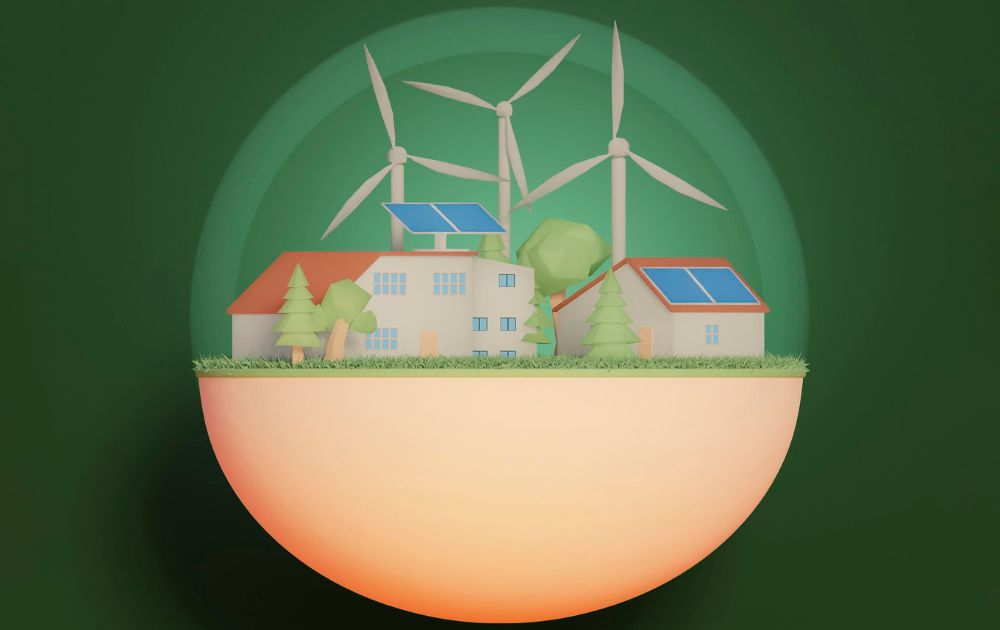
Bureau of Energy Efficiency Drawing – A Complete Guide
Bureau of Energy Efficiency Drawing is more than just a trending concept it’s a necessity in today’s world. As buildings, industries, and appliances continue to consume massive amounts of electricity, the need for proper energy documentation has grown significantly. That’s where Bureau of Energy Efficiency (BEE) drawings come in. These drawings act as a visual language that explains how energy flows, how equipment consumes power, and how efficient a system truly is.
Understanding the Bureau of Energy Efficiency (BEE)
The Bureau of Energy Efficiency (BEE) is a government body in India responsible for promoting energy conservation and improving the efficient use of power across various sectors. It sets standards, develops policies, and encourages industries, buildings, and appliance manufacturers to adopt energy-saving practices. By guiding organizations toward sustainable solutions, BEE plays a crucial role in reducing energy waste and supporting a greener, more efficient future.
Key Elements of a BEE Drawing
The key elements of a BEE drawing include all the essential details that help represent how energy is used, distributed, and optimized within a system. These components ensure the drawing is clear, compliant, and useful for energy analysis.
- Energy flow representation
- Equipment specifications
- Power consumption data
- Compliance and labeling details
Types of BEE Drawings
BEE drawings come in various forms, each serving a different purpose—from scientific accuracy to artistic creativity. These categories highlight how versatile bee illustrations can be across fields like art, design, and education.
Main Types of BEE Drawings:
- Technical Drawings: Detailed, structured representations used in research or engineering.
- Artistic Drawings: Creative expressions that emphasize beauty, color, and imagination.
- Conceptual Drawings: Symbolic or abstract designs that convey deeper meanings.
- Digital Drawings: Modern illustrations made using software tools or 3D modeling.
- Traditional Drawings: Hand-drawn pieces using pencil, ink, or watercolor techniques.
How BEE Drawings Support Energy Optimization
BEE drawings play a crucial role in promoting energy efficiency by visually representing how resources are utilized and conserved. These detailed diagrams help architects, engineers, and designers identify areas of energy loss and improvement in structures or systems. By analyzing patterns and technical layouts, professionals can develop smarter, more sustainable designs that reduce waste and enhance performance. In essence, BEE drawings serve as a blueprint for building a greener and more energy-efficient future.
Steps to Create a BEE-Compliant Drawing
Creating a BEE-compliant drawing involves following specific guidelines to ensure precision, clarity, and accuracy. These steps help maintain consistency across technical and architectural documentation.
Key Steps:
- Step 1: Understand the BEE (Building Energy Efficiency) standards and compliance requirements.
- Step 2: Gather accurate building data, including dimensions, materials, and energy systems.
- Step 3: Use approved CAD or BIM software to create detailed layouts.
- Step 4: Label all energy-efficient features clearly, such as insulation, lighting, and HVAC systems.
- Step 5: Verify that the drawing meets all BEE documentation formats and energy codes.
- Step 6: Review and validate the final drawing for submission or certification.
Tools Used for BEE Drawings
Creating BEE drawings requires a combination of digital and traditional tools to achieve precision and visual clarity. Professionals often rely on CAD software like AutoCAD, Revit, or SketchUp for technical accuracy, while tools such as Adobe Illustrator or CorelDRAW help enhance visual presentation. For manual sketches, pencils, rulers, and graph paper remain essential for initial drafts. Together, these tools ensure BEE drawings are both detailed and compliant with industry standards.
Common Mistakes in BEE Drawings
Many professionals unintentionally make errors when preparing BEE drawings that affect compliance and accuracy. Common mistakes include missing energy data, unclear labeling of systems, and incorrect scaling of architectural elements. Some also neglect to include essential features like insulation details or efficient lighting layouts. Failing to cross-check the drawing with BEE guidelines can lead to delays or rejections during the approval process
Benefits of Accurate BEE Drawings
Accurate BEE drawings offer clarity, precision, and efficiency in both creative and technical projects. They ensure designs, research, and educational materials are both visually appealing and scientifically reliable.
Key Benefits:
- Enhance understanding of bee anatomy and behavior.
- Support engineering and architectural designs inspired by bee structures.
- Improve educational materials through visual accuracy.
- Promote environmental awareness and appreciation for bees.
- Help artists achieve realism and balance in their creations.
Who Needs BEE Drawings?
BEE drawings are essential for a variety of professionals involved in building and construction projects. Architects, engineers, and contractors rely on these detailed plans to ensure compliance with regulations and to facilitate the smooth execution of designs. Additionally, property developers, interior designers, and surveyors use BEE drawings for accurate assessments, planning, and modifications. Overall, anyone working on or overseeing the development of a building or structure can benefit from these crucial documents.
BEE Drawing Requirements for Buildings
BEE drawing requirements for buildings outline the necessary details for energy efficiency and environmental compliance. These drawings must include specific design elements that meet local energy codes and sustainability standards.
Key Points:
- Detailed floor plans and elevations.
- Energy-efficient systems and materials.
- Compliance with local building codes and energy regulations.
- Proper insulation and ventilation specifications.
- Integration of renewable energy sources, if applicable.
BEE Drawings for Appliances
Energy-efficient BEE drawings for appliances illustrate compliance with Bureau of Energy Efficiency standards, helping clarify performance, labeling, and technical specifications. These diagrams support manufacturers, auditors, and consumers in understanding efficiency ratings and regulatory requirements.
Points:
- Illustrates energy-efficiency compliance for appliances
- Aligns with Bureau of Energy Efficiency (BEE) standards
- Helps interpret labels, ratings, and technical specifications
- Useful for manufacturers, auditors, and consumers
- Supports regulatory documentation and approvals
Best Practices for Preparing BEE Drawings
Best Practices for Preparing BEE Drawings can be summarized as guidelines that ensure drawings are accurate, consistent, and compliant with relevant standards. Clear detailing, proper annotation, and organized structure help improve interpretation, reduce errors, and support smooth approval processes.
Key Points:
- Ensure drawings follow standard formats, scales, and symbols.
- Include accurate measurements, labels, and specification notes.
- Maintain clean layout with consistent line weights and clarity.
- Verify compliance with BEE requirements and project scope.
- Review and cross-check for completeness before submission.
Future Trends in Energy Efficiency Documentation
Emerging developments in energy efficiency documentation are transforming how organizations track, verify, and optimize energy use. Digital tools, automation, and data-driven reporting are shaping a future where documentation becomes smarter, more transparent, and easier to manage.
Key Points:
- Increasing adoption of automated and smart monitoring systems
- Greater use of real-time analytics and cloud-based reporting
- Rising integration with sustainability and compliance standards
Conclusion
A BEE drawing is more than just a technical document it’s a roadmap toward sustainable and efficient energy use. Whether for buildings, appliances, or industrial machinery, these drawings play a crucial role in planning, designing, and achieving energy efficiency. With the growing emphasis on sustainability, mastering BEE documentation is becoming essential for professionals across multiple industries.
FAQs about bureau of energy efficiency drawing
- What is the purpose of a BEE drawing?
It visually represents energy usage to ensure compliance with efficiency standards.
- Who prepares BEE drawings?
Engineers, architects, energy auditors, and certified BEE professionals.
- Are BEE drawings required for all buildings?
They are essential for commercial, industrial, and energy-efficient building projects.
- What tools are used for creating BEE drawings?
CAD software, energy simulation tools, and BEE standard templates.
- Do BEE drawings help reduce energy bills?
Yes, they highlight inefficiencies and guide improvements that lower energy costs.
Share this content:













Post Comment